When a program adapts to a child’s needs,
it becomes more resilient and effective.

Early childhood learning centers that include children with disabilities often adopt activities that are accessible to the child with the most significant challenges.
As a result, lessons that are designed to be visually, auditorily, and kinesthetically rich for a child with a disability end up being more engaging and effective for a typically developing child as well.
Centers that prioritize inclusion usually invest more heavily in professional development for staff, making them more effective educators overall.
Meet Potential F1rst
Potential F1rst, LLC delivers consulting and inclusion coaching services to a variety of early childhood settings.
On-going professional development for early childhood staff fosters the growth of all children in the community and transforms learning opportunities
We’ re presenting at the annual NJAEYC Conference this October and the NAEYC Annual Conference this December.
Click buttons for details.


Potential F1rst’s consulting services help programs:
Use routines to teach adaptive skills:
Self-help skills foster independence, emerging cognitive skills such as problem-solving, organizing oneself, and sequencing.
Use visual supports to increase attention and understanding:
Visual supports help all young children refer to something tangible and lasting in order to connect to the language of classroom routines.
Improve transitions and reduce confusion:
Well organized transitions improve predictability and reduce challenging behaviors.
Potential F1rst’s consulting services help programs:
Make learning activities more meaningful for young children:
Learning activities for young children need to be play-based, driven by choice, and allow for exploration. Meaningful learning develops curiosity and cognitive skills.
Offer choice and build agency for young children when engaging in classroom activities:
Agency fosters active participation and independence in classroom activities and play.
Use guided learning in a natural, non-intrusive way:
These learning activities capitalize on a child’s self-directed play or present play schemes with specific concepts but allow the child choice in how they engage with the materials.
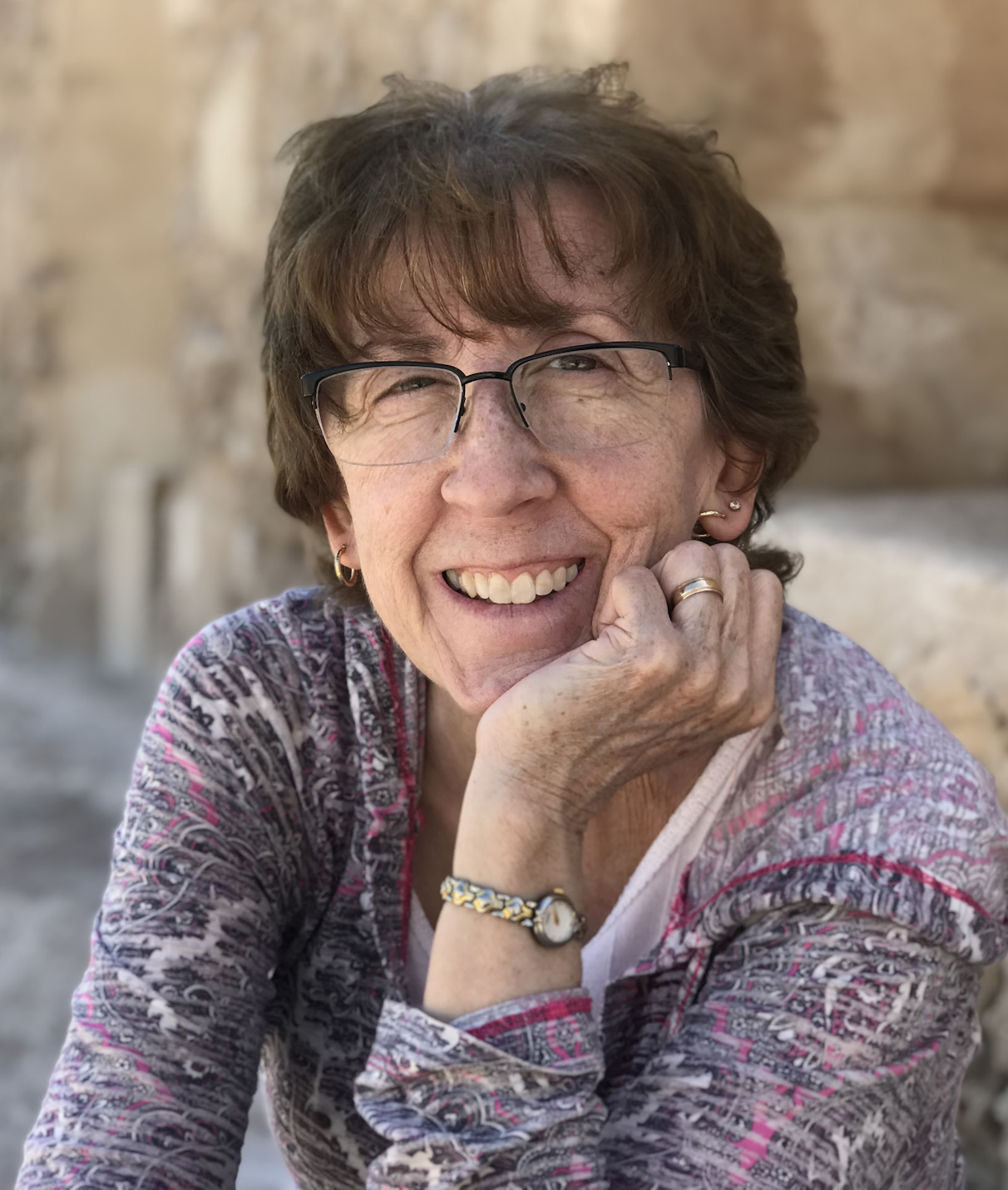
Judith Gallante-Hooper, M.A.S.
My career has spanned decades as an Early Intervention practitioner, classroom teacher, and school administrator, including extensive consultation for Child Development Centers within the military community.
This unique vantage point allows me to serve as a specialized advisor with a comprehensive understanding of the entire early development lifecycle.
What I do
I help programs align their daily practices with the nuances of child development, empowering educators to leverage their individual strengths and elevate instruction to a more impactful level.
My goal is to ensure that every strategy implemented translates into meaningful learning and successful outcomes for every child.